
Mahjong Mingle
Playful BytesBoard
4.81.65K Reviews
- Version
- 3.6.1
- Installs
- 5.00M
- Age Rating
- Everyone
Screenshots
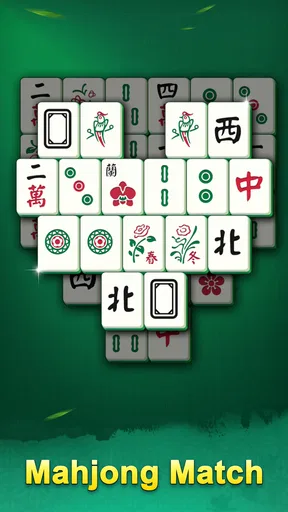
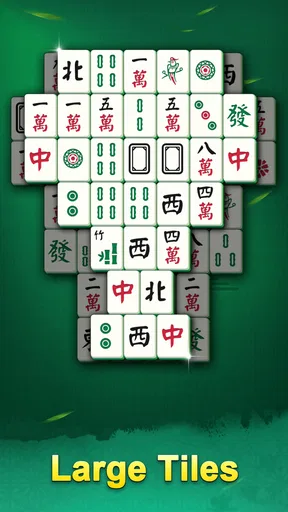
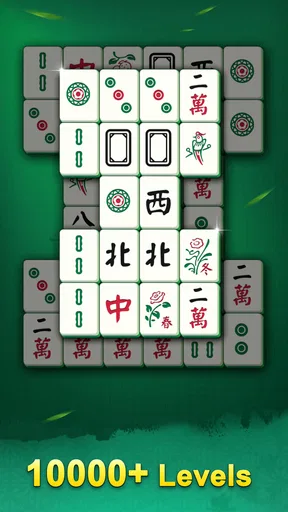
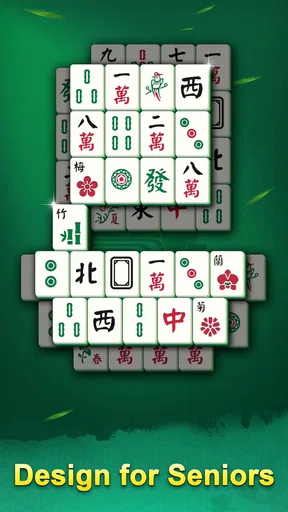
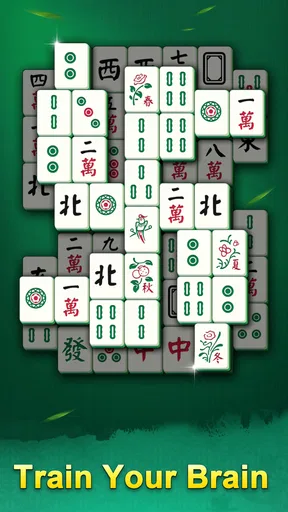
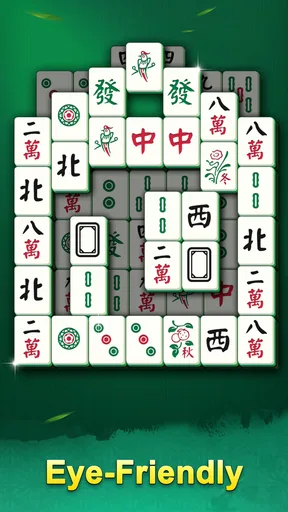
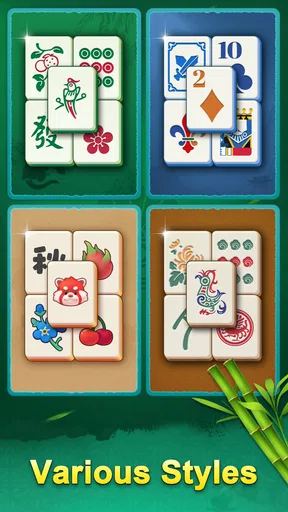
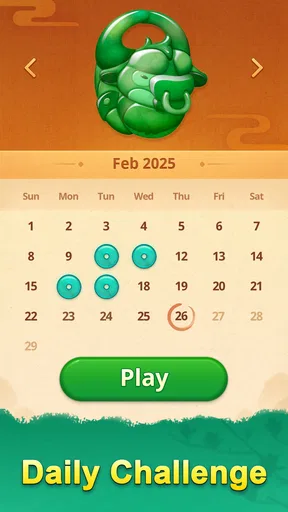
Our Review of Mahjong Mingle
 Analysis by Appyee
I spent time with Mahjong Mingle as a calm, tile-matching board game rather than as a competitive challenge. Its main appeal is easy to understand: the board presents Mahjong-style puzzles with large tiles, so the experience aims to feel comfortable for players who prefer a slower pace and clearer visual targets. I found it most appealing during short breaks, especially when I wanted something more focused than scrolling but less demanding than a strategy game.
Developed by Playful Bytes, this free game sits in the board category and is rated Everyone, making it a natural option for families and older players. It has reached over five million installs and holds a 4.8 average from around twenty-two thousand ratings, with roughly one thousand six hundred written reviews. Those figures suggest that its simple presentation is connecting with a broad audience, although popularity alone does not make every design choice suitable for every player.
How Mahjong Mingle handles readability and navigation
The large-tile approach is the first thing I noticed. In a Mahjong board, recognition is the central task: I need to distinguish symbols quickly, find matching pairs, and keep track of which tiles are available. Larger artwork reduces the amount of visual searching compared with a crowded layout, and that makes the game less tiring on a phone held at a normal distance.
This is particularly useful for players who do not enjoy tiny icons or dense interfaces. I could concentrate on the puzzle instead of constantly leaning toward the screen. The design also suits someone playing on a smaller handset, where a conventional tile layout can feel cramped. Large tiles do take up more space, however, so the board can feel visually busy when many pieces remain. Readability improves at the level of each tile, but the overall arrangement still requires attention.
Navigation is refreshingly direct. A player who already understands the basic idea of Mahjong solitaire can begin without learning a complicated control scheme. The important interaction is selecting a matching pair, so there is little need to manage menus, units, inventories, or layered game systems. That simplicity is a genuine strength for anyone who wants a puzzle that explains itself through play.
My practical advice is to play with the device at a comfortable angle and avoid placing it where glare washes out the symbols. Large tiles help, but they cannot compensate for reflections or a screen brightness level that makes similar colors harder to separate. If I were introducing the game to an older relative, I would first let them try a few boards slowly rather than assuming that “large” automatically means effortless.
A good fit for deliberate puzzle solving
The game works best when I treat each board as a visual sorting exercise. Instead of tapping the first matching pair I see, I scan for tiles that are blocking useful moves and remove those first. This small change in approach makes the experience more thoughtful and reduces the feeling of randomly clearing pieces.
That workflow is also helpful for players who need extra time to process the board. There is no need to rush through a move simply because the game is on a mobile device. I found that pausing between pairs made it easier to maintain a mental picture of the remaining layout. For someone with attention difficulties, this can turn a large board from an overwhelming image into a series of small decisions.
At the same time, the game is not a replacement for a fully customizable interface. Large tiles improve the starting point, but individual visual needs differ. A player who relies on strong contrast, reduced visual clutter, or a particular text size should test the game personally before deciding whether it is comfortable for longer sessions.
Motor and sensory considerations during play
Mahjong Mingle asks for simple taps rather than rapid gestures or precise drag movements. That makes it friendlier to players who find fast action games uncomfortable or who prefer not to coordinate several controls at once. In my sessions, the interaction felt more like pointing at two objects than operating a complex game system.
That does not mean every motor need is covered. A player with limited reach may still find it difficult to tap tiles near the far edge of a large phone, especially when holding the device in one hand. The board can encourage repeated movement between distant areas, so a stand or a stable surface may be more comfortable than handheld play. For a person with tremors, the forgiving feel of a turn-based puzzle is useful, but accurate selection can still depend on the size and spacing of the available tiles.
One of the better ways to reduce strain is to use both hands or rest the device on a table. I noticed that this also improved concentration because I was not trying to balance the phone while searching for pairs. A short session with the device supported is more practical than treating the game as something to play while walking or standing in a crowded place.
Sensory demands are quieter than those of an action title, but they are not absent. The board remains a visual field that must be scanned repeatedly. Someone sensitive to busy patterns may prefer clearing a few pairs at a time and taking breaks before the layout becomes tiring. Conversely, a player who finds rapid animation, loud effects, or constant alerts distracting may appreciate the game’s puzzle-first character, provided the surrounding phone environment is also calm.
Why the large-tile design matters in everyday use
I found a useful distinction between “easy to see” and “easy to understand.” The larger pieces make individual symbols more approachable, but Mahjong still depends on recognizing which tiles can be selected and remembering what has already been exposed. A player with reduced visual attention may benefit from slower, intentional scanning rather than trying to solve the whole board at once.
For a family member who is new to mobile games, I would demonstrate one matching decision and then let them take over. That preserves independence and reveals whether the board is genuinely comfortable for them. Helping with the first tap is reasonable; making every decision for them defeats the relaxing, self-directed quality that makes this type of game worthwhile.
Players who need audio cues to understand the board should be cautious about relying on sound alone. The core information is presented visually through the tiles, so the game is strongest for people who can inspect the screen. Likewise, anyone who experiences discomfort from prolonged visual concentration should treat it as a short-session activity rather than an all-evening pastime.
Situational access: when this game makes sense
My favorite use case was a quiet ten-minute break after finishing a task. I could open the game, make a few careful matches, and stop without having to remember a complicated storyline or recover a character from danger. That makes it more approachable than many board games that expect a long session or a full understanding of rules before the first meaningful move.
It can also work well in a shared household. One person can play while another reads or watches television because the puzzle does not require constant conversation or rapid reactions. An older player who is curious about mobile games may find the familiar tile concept less intimidating than a platform game, card battler, or strategy title filled with unfamiliar menus.
The free price lowers the risk of trying it, particularly for someone unsure whether Mahjong-style puzzles are enjoyable. I would still recommend checking the experience on the intended device before presenting it as a gift or installing it for another person. Comfort depends on screen size, eyesight, hand control, and personal tolerance for repeated visual searching.
The game is less convincing as a choice for commuting in difficult conditions. On a moving bus, a bright outdoor setting, or a crowded waiting area, it becomes harder to maintain a stable view and make careful selections. A puzzle that feels relaxing at a table can become frustrating when the phone is shaking or attention is divided. It is better suited to a seated pause than to multitasking.
It also differs from competitive online board games. If I want live opponents, rankings, social interaction, or the pressure of a timed match, this is not the type of experience I would choose. A traditional physical Mahjong set is better for face-to-face play and tactile handling, while a more feature-heavy digital Mahjong title may suit players seeking deeper rules or broader customization. Mahjong Mingle earns its place by keeping the focus on accessible tile puzzles, not by trying to serve every Mahjong audience.
Practical routines for different players
For a beginner, I suggest using the first sessions to learn the visual rhythm: identify a pair, check whether both tiles are available, select them, and rescan the board. This sounds obvious, but repeating the same sequence prevents the interface from becoming the obstacle. It also gives a nervous player a predictable routine.
For someone with limited concentration, short goals work better than aiming to finish a large board in one sitting. I would play until the screen starts to feel crowded, pause, and return later. The benefit is not only comfort; it also reduces careless taps caused by fatigue. The game’s relaxed format supports this approach better than a title built around streaks or rapid responses.
For a caregiver or family member helping another player, the most useful support is environmental: improve lighting, place the phone securely, and make sure the player can reach the whole board. Those adjustments may matter more than explaining strategy. They preserve control in the player’s hands while removing avoidable physical barriers.
Remaining barriers and realistic limitations
The central limitation is that large tiles solve only one part of accessibility. They can make symbols easier to inspect, but they do not automatically provide high contrast, personalized scaling, alternative input methods, or a less visually demanding board. Players with specific sensory or motor requirements should regard the design as promising rather than universally suitable.
There is also a mental-load trade-off. A simple ruleset is welcoming, yet the board can still require sustained attention as pieces overlap and choices become less obvious. Someone expecting a completely passive relaxation app may be surprised by the amount of visual planning involved. It is calming because the pace is deliberate, not because the game removes all effort.
Another limitation is genre fit. The game will not satisfy players who want a campaign, character progression, narrative rewards, or a strong social layer. Nor is it the best alternative for someone looking for a physical tabletop experience with real tiles and conversation. Its narrow focus is part of its charm, but it also means that the right audience is fairly specific.
The current version is 3.6.1 and runs on devices using Android 8.0 or later. That makes it relevant to people keeping an older compatible phone, though performance and comfort can still vary between devices. A phone that technically runs the game may have a small display, weak brightness, or touch behavior that makes the board less pleasant than it appears on a newer handset.
I also would not confuse the Everyone age rating with a guarantee that every person will find the game comfortable. The rating describes the intended general audience, while accessibility depends on the individual. A player with low vision, reduced dexterity, or sensitivity to visual repetition should make the decision based on an actual trial, ideally in the setting where they expect to play.
My inclusive verdict after playing
Mahjong Mingle is a thoughtful choice for people who want a free, low-pressure board puzzle with a clear visual focus. The large-tile presentation gives it a practical advantage over cramped Mahjong layouts, and the straightforward tapping makes it easier to approach than games built around speed or complicated controls. Playful Bytes has kept the basic activity understandable, which matters when the goal is a relaxing break rather than a lesson in game mechanics.
I would recommend it to an older player who enjoys matching puzzles, a beginner exploring mobile games, or anyone who prefers quiet solo play in short sessions. It is especially suitable when the phone can rest on a stable surface and the player has enough light and time to inspect the board carefully. The free entry point makes experimenting simple, and the strong average rating from a large player group indicates that many people find the format satisfying.
I would steer elsewhere if you need extensive accessibility controls, multiplayer competition, physical tabletop interaction, or a richer Mahjong ruleset. I would also avoid presenting it as effortless for every senior or every player with a disability. Its best inclusive quality is the reduction of visual clutter through larger tiles and the removal of time pressure typical of faster games; the remaining needs still depend on the person and their device.
My final impression is positive but measured: this is a focused puzzle, not a complete solution to every access challenge. When I play it seated, with the screen positioned well and a few minutes available, the experience is comfortable and pleasantly absorbing. If your priority is readable, unhurried tile matching rather than competition or complexity, Mahjong Mingle is worth trying.
Verdict
Strengths of Mahjong Mingle
- Relaxing tile-matching gameplay suitable for short sessions.
- Large variety of layouts keeps the core experience from feeling repetitive.
- Helpful hints make difficult boards more approachable.
- Simple controls are comfortable on both phones and tablets.
- Bright visuals and tile designs are easy to recognize.
Limitations of Mahjong Mingle
- Some puzzles may feel too easy for experienced Mahjong players.
- Progress can become dependent on completing repeated board patterns.
- Hints or boosters may be limited unless you watch ads or spend currency.
- The game may feel less engaging without a stable internet connection.
- Frequent rewards and prompts can interrupt an otherwise calm session.
Other Releases by Playful Bytes
View All
Take Off Bolts: Screw Puzzle
Puzzle4.1

Match Family: Triple Match 3D
Casual4.7

Find Hidden Cats- Spot it!
Casual4.8

Mahjong Slide: Zen
Board4.7
Similar Picks in This Category
View All
Ludo King®
Gametion4.1

Ludo
Yarsa Games4.6

Tile Master® - Matching Game
Higgs Studio3.6

Checkers Online
CC Games4.6

Dominoes
Loop Games4.7

Chess
Chess Prince4.6
Frequently Asked Questions
What is Mahjong Mingle, and how is it played?
Mahjong Mingle is a tile-matching puzzle game built around the familiar mahjong solitaire format. Your goal is to clear the board by finding two matching, uncovered tiles. The game is generally easy to understand, but later layouts can require careful planning because removing one pair may uncover or block another. It is suitable for short sessions as well as longer, relaxed play.
Is Mahjong Mingle free to download and play?
Mahjong Mingle can typically be downloaded and played without an upfront purchase, although the exact monetization model may depend on the Android or iOS version available in your region. Free versions may include advertisements, optional purchases, extra hints, or other convenience features. Before downloading, check the store listing for current information about ads, in-app purchases, and supported devices.
Does Mahjong Mingle require an internet connection?
Many mahjong solitaire levels can be played offline once the game has been installed, which makes Mahjong Mingle convenient for travel, commuting, or places with limited connectivity. However, an internet connection may still be needed for advertisements, updates, cloud features, leaderboards, rewards, or in-app purchases. Offline availability can vary by version, so test the game after installation if this feature is important to you.
Are there hints, shuffles, or other tools to help solve difficult boards?
Mahjong Mingle may provide assistance options such as hints, tile shuffles, undo actions, or automatic suggestions, depending on the version and game mode. These tools can be useful when no obvious pair is available, but they may be limited by a reward system, a timer, or an in-game currency. Players who prefer a pure puzzle experience should review how frequently these aids appear before relying on them.
Is Mahjong Mingle appropriate for children and casual players?
Mahjong Mingle is generally accessible to casual players because its basic objective is straightforward and does not require fast reflexes. Nevertheless, parents should check the current age rating, advertising practices, privacy information, and in-app purchase settings before allowing children to play. Some versions may include online features or promotional content, while the puzzle itself is usually calm, non-violent, and easy to learn.
Play our best games!


